
Channel Surfing Your Car? The Art and Oddity of Remote Key Programming
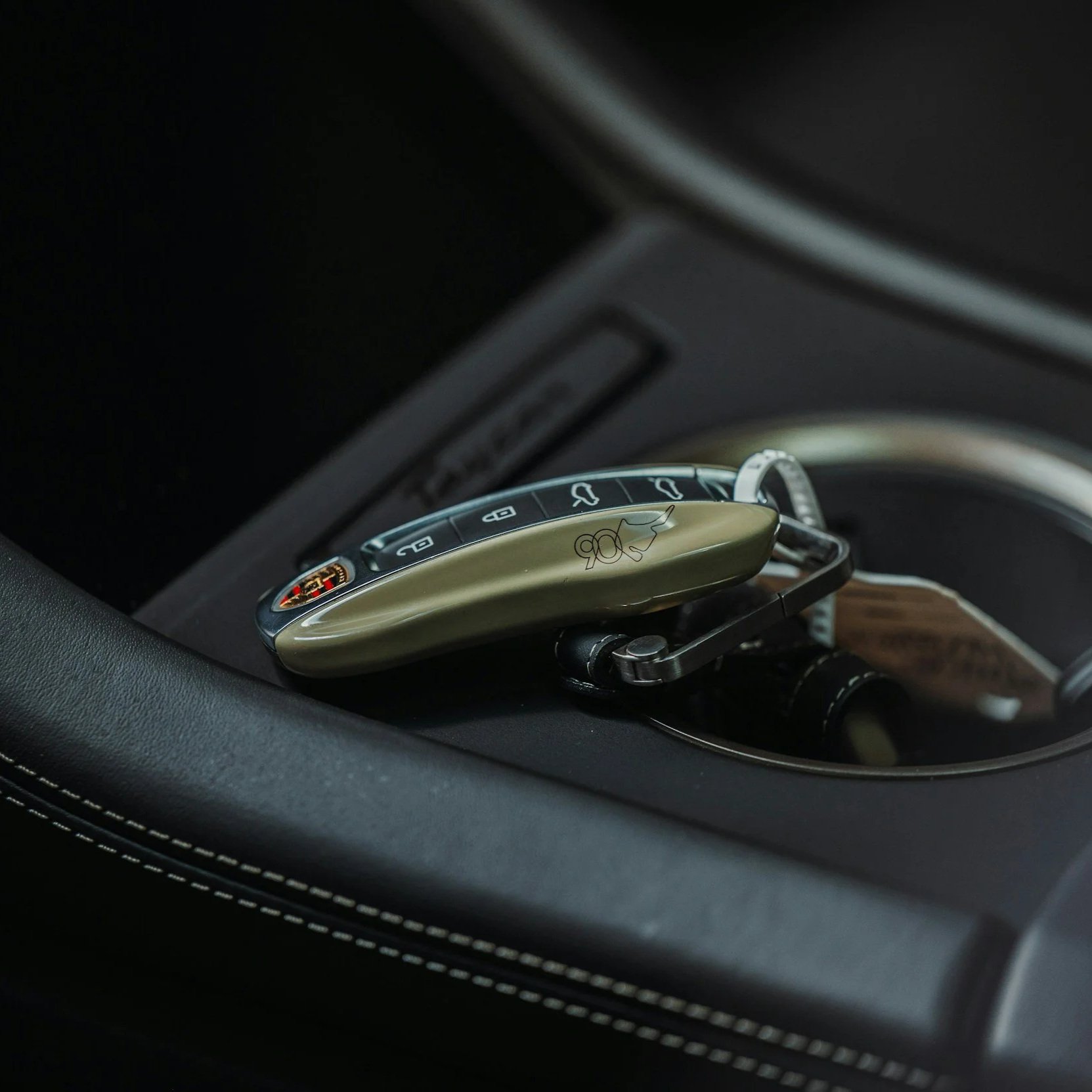
Modern remotes use coded signals and encrypted communication with your car's onboard computer.
You press the unlock button like a pro. Nothing happens. Not even a flicker. You try again—still nothing. At this point, you start waving the fob in the air like a wizard mid-spell. The car continues its silent protest.
Welcome to the weird world of remote key programming, where your vehicle sometimes acts like it's screening calls. Modern remotes use coded signals and encrypted communication with your car's onboard computer. When either party forgets the script, professional intervention steps in to decode the mess and reestablish trust.
Remotes Are More Than Plastic and Batteries
They look simple enough—just a few buttons, a battery, and a tiny LED. But remote car keys are low-key geniuses packed with microchips, transponders, and unique frequency signals. Programming them is less about pushing buttons and more about navigating a digital handshake between your remote and your car's ECU.
Remote key programming involves syncing these systems so that the remote doesn't just shout commands into the void. Professionals use diagnostic tools that communicate directly with the vehicle, confirming that both car and remote speak fluently—no broken sentences, no awkward pauses.
Why Some Remotes Act Like Strangers
Ever pop open a freshly shipped key fob and try to use it, only to be met with silence? That's because unprogrammed remotes are essentially outsiders at the car party. Your vehicle doesn't trust them, and for good reason. Without the proper handshake, even the best-looking fob is just a piece of jewelry for your keychain.
Professionals handle remote key programming with authentication tools that introduce the remote to the vehicle, program unique codes, and confirm recognition through system feedback. Every button is tested—lock, unlock, trunk, panic—until all channels are clear.
The Curious Case of the Spare Key That Forgot
Spare keys live quiet lives. They're tossed in junk drawers, left in glove boxes, or handed off to visiting relatives. But when called into action, they often fail their audition. Maybe they unlock the doors, but won't start the car. Maybe they don't respond at all.
A professional can reprogram spare remotes to bring them back into the trusted circle. That involves accessing your car's onboard system, removing outdated profiles, and giving the spare a fresh set of credentials. The result? A fully functional backup that doesn't just look the part—it plays it well.
Channel Conflict: When Two Fobs Compete
Sometimes vehicles get confused when two programmed remotes are nearby. Driver One gets in, but Driver Two's preferences take over. The seat shifts, mirrors adjust, and the Bluetooth starts playing someone else's playlist.
Remote key programming can separate these identities. By assigning each fob a unique driver profile, professionals help your car distinguish between users. You'll always start your car to your settings, your comfort, and your preferred volume—not someone else's karaoke mixtape.
Used Cars and Phantom Keys
Buy a used vehicle, and there's a chance it remembers a few ghosts—remotes from previous owners that still work. That means someone, somewhere, might have access to your car. Remote key programming solves this by wiping old profiles and adding only the remotes you provide.
Security shouldn't depend on who used to own the vehicle. Professionals lock things down, creating a new start between you and your ride. After all, your remote shouldn't have to compete with a stranger's forgotten key.
High-Tech Means High-Stakes
Proximity keys, remote start, trunk release, panic mode—today's remotes don't stop at locking doors. Each feature relies on flawless communication. When one part fails, it's rarely just a battery problem. It's often a code misalignment or a remote that has drifted from factory specs.
Remote key programming reboots those connections. Professionals don't just resync—they recalibrate and retest. They verify signal strength, proximity detection, and full feature functionality. You're not just fixing a button; you're restoring control.
The DIY Delusion
Online tutorials would have you believe programming a remote is a matter of flipping the ignition switch like a light show, honking twice, opening the door, and whispering ancient incantations. It's a fun theory—until the alarm won't stop and your neighbors start filming.
Remote key programming from a professional cuts through the drama. With the right tools, locksmiths communicate directly with your car's system. There's no guesswork—only clean code entries, secure programming, and real-time confirmation that everything works.
When the Fob Is Only Half-Helpful
Ever meet a remote that unlocks but won't lock? Or starts the engine but ignores the trunk? These aren't design flaws—they're signs of partial programming or signal degradation. A professional can scan the remote, assess chip performance, and reprogram it to restore full function.
No one should have to jog back to manually close the trunk just because their fob decided to skip a feature. Remote key programming doesn't play favorites. Every button gets the love it deserves.
The Aftermarket Fob Gamble
Those discount remotes online may promise universal compatibility, but many fall short. They work intermittently, lag behind, or fail to pair entirely. The truth is, not all remotes are created equal—and not all vehicles accept unverified hardware.
Professionals pre-test remotes, confirm compatibility, and program only when confident the device will hold up. No wasted time. No frustrating silence. Just a solid connection from the first click.
When Proximity Turns Passive
Smart remotes are supposed to unlock your doors as you approach. But sometimes they forget. One day, you stroll up like royalty, the next, you're tapping windows like a raccoon.
Professionals recalibrate proximity zones to ensure the car consistently recognizes your remote. Whether it's hot out, cold out, or you're holding five bags of groceries, the car should open up like it's been waiting for you all day.
Lost Keys Mean Lost Trust
Losing a remote doesn't just disrupt your schedule—it compromises your car's security. Until it's erased from the system, that missing fob can still work. Remote key programming allows professionals to remove lost remotes entirely from memory.
They then program a new remote, test its connection, and confirm that only your authorized keys communicate with the vehicle. Your car doesn't just listen again—it listens only to you.
Old Cars, New Tricks
Even older vehicles can benefit from remote key programming. Many support basic remote locking systems or can be upgraded to accept modern remotes. With the right hardware and programming, even a '98 model can respond to a pocket-sized command center.
Professionals identify compatibility, install modules if needed, and handle the programming so your retro ride feels just a bit more futuristic. Because cool doesn't have an expiration date.
Buttoned-Up and Back in Control
There's a unique satisfaction in pressing a button and watching your car spring to life. The lights blink. The doors click. The world stays in order. Remote key programming makes that interaction seamless.
Behind the scenes, it's about secure encryption, diagnostic scans, and signal integrity. But in your driveway, it's just about a remote that finally listens. No ghost commands. No stubborn delays. Just a car that responds with loyalty and precision.
A Channel Worth Keeping Tuned
Remote key programming may sound like a minor task, but it carries major convenience. It blends safety, technology, and usability into one little package that fits in your hand. When it falters, professionals are ready to reset the script and keep you connected to your car—no drama, no rewiring, just results.
So the next time your car treats your remote like static on the dial, remember: a clean signal is just a reprogram away. Keep clicking, keep cruising, and leave the channel surfing to the pros.
Lockstar Locksmith is a dependable residential locksmith services and commercial locksmith services provider in Pittsburgh. We aim to provide prompt response and practical solutions. We also offer car key replacement & programming and master key system & high-security lock solutions. Contact our trained technicians for more information.
