
Out with the Old: When Locks Call It Quits (and New Ones Move In)
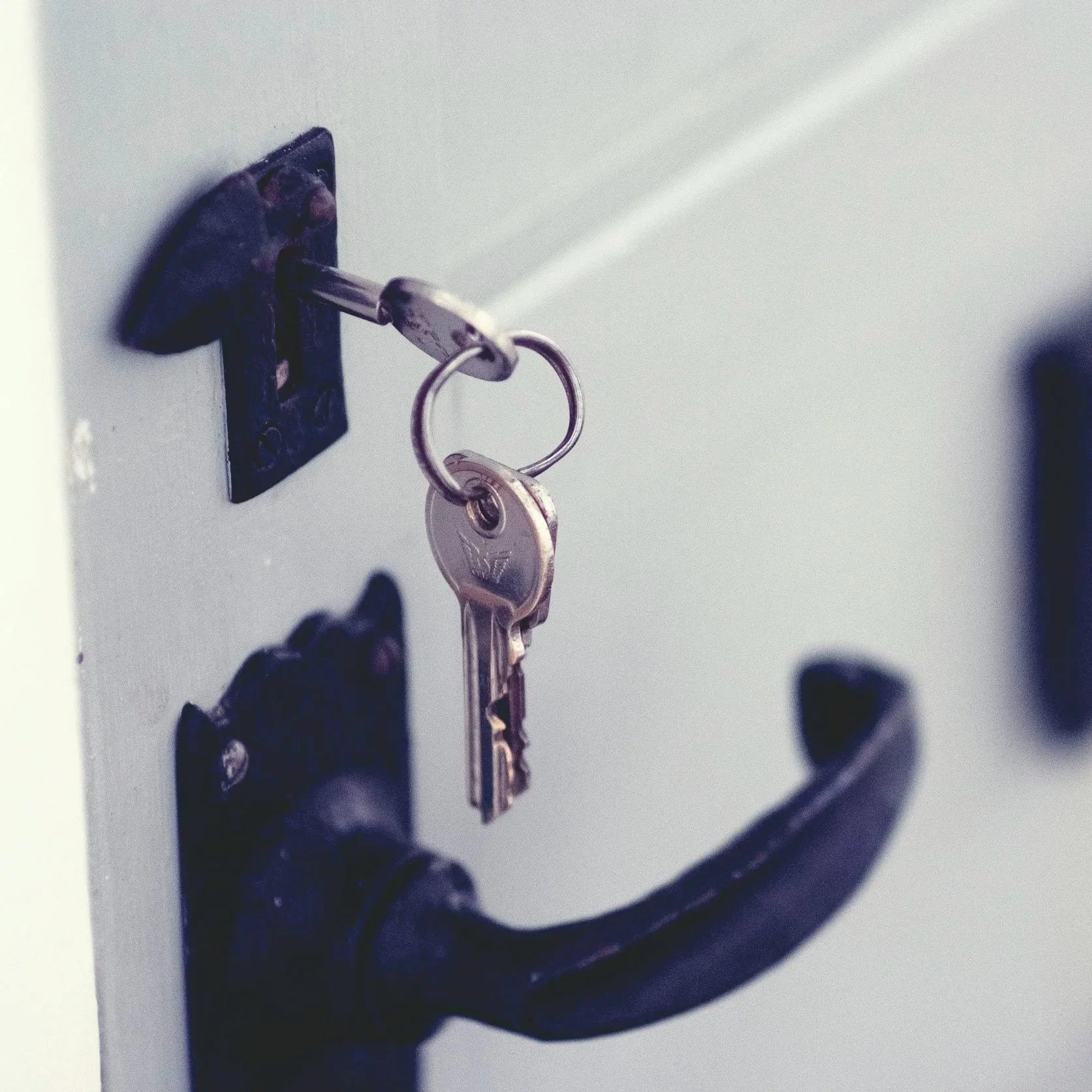
Ignoring a stubborn lock only invites problems—some that show up when you least expect them, like after dark with your arms full of groceries.
A lock that squeaks, sticks, or needs a hip check to work might be trying to tell you something. Over time, exposure to weather, humidity, and daily wear can cause internal mechanisms to degrade. Keys stop turning smoothly. Doors refuse to cooperate. The frustration builds with every jiggle and twist.
Lock changes are more than a cosmetic upgrade. They're a practical response to mechanical failure. When a lock no longer responds reliably, replacement becomes a safety decision. Ignoring a stubborn lock only invites problems—some that show up when you least expect them, like after dark with your arms full of groceries.
Security Gaps Don't Knock First
Old locks often lack the security features found in modern hardware. Basic spring-latch locks can be easily bypassed with a credit card or a good bump key. That outdated deadbolt might be no match for someone who knows what they're doing.
Lock changes give homeowners the chance to upgrade to more secure systems, like high-security cylinders, reinforced strike plates, or smart locks with multiple authentication options. Swapping out outdated hardware improves protection without requiring reconfiguration of the entire doorframe.
New Keys for New Chapters
Major life changes often bring along new priorities. Whether it's a recent move, a new roommate, a relationship shift, or the end of one, locks become a physical symbol of access. When people come and go, so should the keys.
Professionals recommend lock changes when key control becomes questionable. If a former tenant, partner, or contractor still has a copy, it's time to move on. The right lock replacement restores control with zero drama and no lingering uncertainty about who might still show up.
Lost Keys and Wandering Access
Keys vanish. Sometimes they're at the bottom of a gym bag, other times they're in the pocket of a jacket that now lives in another city. When keys go missing, the number one question becomes who might find them—and what they might do with them.
Lock changes provide immediate peace of mind. Rather than waiting to see if someone uses the missing key, replacing the lock stops the guessing game. It removes unknown variables from the equation and restores security in a single visit.
Break-Ins Leave More Than a Mess
After a break-in, locks might still function, but their integrity is compromised. Intruders may bend components, weaken frames, or tamper with internal parts that no longer align properly.
Lock changes are essential after any forced entry attempt. They eliminate hidden damage and reestablish proper defense. A professional can assess every point of entry, recommend replacements that suit the layout and door material, and make sure the next chapter doesn't start with another surprise.
The Wrong Lock on the Right Door
Not every lock matches the needs of its location. A high-traffic exterior door should not rely on an interior-grade knob lock. A sliding glass door needs more than just a latch to stay secure. Even garages, sheds, and side entrances benefit from upgraded hardware that fits the function.
Lock changes let you match strength and durability to how a space is used. A professional can recommend the right type of hardware, whether it's deadbolts, electronic keypad locks, or multi-point locking systems. Security gets tailored to the space, not just slapped on where it fits.
Matching the Rest of the House
Style plays a role, even in home security. A shiny brass lock on a sleek black front door might stick out like a sore thumb. Or the entire house just got a facelift, and the locks feel like relics from a bygone era.
Lock changes offer a chance to modernize hardware without compromising security. You pick the finish and features, while the locksmith delivers the performance. It's a function dressed in form, with all the right curves and credentials.
Too Many Locks, Not Enough Keys
When homes or businesses have mismatched locks, people end up carrying a keychain that looks like it belongs to a medieval castle. Different doors require different keys, and over time, it becomes a guessing game.
Lock changes allow for rekeying compatibility. A professional can replace old locks with compatible models, then key them alike. One key to rule the entry points. It's cleaner, simpler, and far easier on the pockets and the memory.
Tech Upgrades Need Hardware To Match
Smart home systems, video doorbells, and automated lighting are great. But when paired with ancient locks, they create a digital-analog mismatch. Upgrading a home's technology should include rethinking how doors are secured.
Modern lock changes can include electronic deadbolts, biometric scanners, or keypad systems that work seamlessly with home automation platforms. Whether it's for remote access, temporary codes for guests, or monitoring from your phone, upgraded locks round out the smart-home experience.
Seasonal Damage and Climate Clues
Freezing winters, blazing summers, and coastal humidity all take their toll on metal components. Locks that once turned smoothly can seize, corrode, or expand with temperature swings. You shouldn't need a wrestling match just to lock the front door.
Professionals often recommend seasonal checkups for door hardware. If your locks have been groaning through the weather, it may be time for a replacement. Lock changes handle the damage that climate control can't.
When You're Tired of the Wiggle-Twist-Jiggle Routine
That little dance people do with old locks—turn halfway, pull back, jiggle slightly, now push—doesn't belong in your daily routine. Locks are meant to function quickly, not require a two-step process every time you leave the house.
Lock changes return ease to your everyday life. Doors close and lock without coaxing. Keys glide in without hesitation. You walk away confident that everything clicked into place, without the performance art.
Aging Locks and Sudden Failures
Locks don't last forever. Springs wear out, cylinders degrade, and metal components start to behave unpredictably. Sometimes locks stop working altogether, often at the most inconvenient time.
Lock changes are like preventative medicine for home security. Instead of waiting for the day a lock refuses to budge, replacements offer a smoother transition from tired hardware to something dependable. You'll never miss the "will it work today" phase.
Professional Installation Beats DIY Headaches
Swapping a lock isn't always as easy as it looks. Misaligned screws, stripped holes, or poor fitment can compromise security even if the new hardware is fancy. Gaps in the frame or a bolt that doesn't fully extend? That's an open invitation to trouble.
Professional locksmiths do more than just change hardware. They make sure each lock fits the door properly, seats flush, and functions exactly as intended. They also spot vulnerabilities you might not notice—like loose strike plates or flimsy frames. With a pro on the job, the upgrade isn't just surface-level. It's a full security refresh.
Moving In Means Changing Out
One of the most important tasks during a move is taking control of every point of access. Even if previous owners say they turned in all the keys, there's no way to verify who else had a copy over the years.
Lock changes on move-in day start everything off right. A professional can secure every exterior door and provide new keys immediately. Some even rekey the entire house to a single key, simplifying things right from the start. It's a practical way to put your stamp on your new place.
Commercial Properties Need It, Too
Offices, shops, and storage facilities deal with employee turnover, third-party vendors, and round-the-clock access needs. If locks haven't changed in years, chances are too many people still have access.
Lock changes help commercial spaces stay ahead of access creep. Professionals offer hardware solutions for storefronts, warehouses, and offices, including high-security cylinders and access-controlled systems. Whether it's a single office door or a multi-unit building, regular hardware upgrades support long-term security.
When It's Time, You'll Know
The signs aren't always dramatic. Maybe your key sticks a little more each week. Maybe the finish has worn off, or the latch seems loose. Small changes build up, and eventually, the lock just doesn't feel right.
Lock changes bring everything back to center. Security, appearance, and performance all return to a standard you can count on. Whether the old lock served you for five years or fifteen, retiring it gracefully and replacing it professionally gives your home or business the protection it deserves.
Lockstar Locksmith offers car lockout services, residential locksmith services, and commercial locksmith services in Pittsburgh. We have built a reputation for providing prompt services and are committed to providing quality solutions. Our technicians boast years of field experience to ensure safety and reliability. Call today for a consultation.
