
Car Key Fob Suddenly Dead? Why It Quit and the Fix
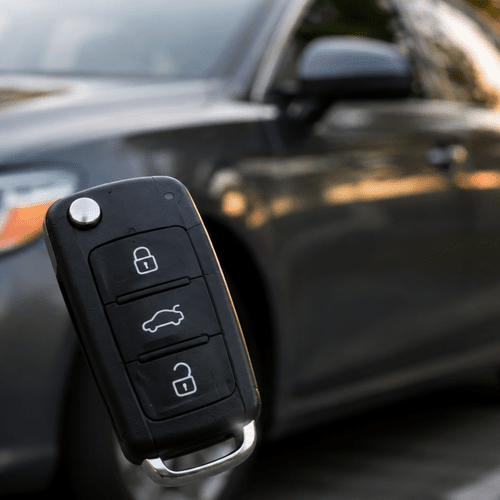
Quick Answer: A car key fob that stops working usually has a simple cause: a dead fob battery (the most common), worn or stuck buttons, water or physical damage, signal interference, or lost programming that needs the fob re-paired to the car. Start by replacing the fob's battery — it fixes a large share of cases. If a new battery doesn't help, test your spare fob: if the spare works, the first fob is faulty; if neither works, the issue may be with the car's receiver. A locksmith can replace, repair, or reprogram a fob as needed.
You press the button and... nothing. No click, no chirp, no response. A key fob that suddenly stops working is a common modern headache, and the cause is usually something minor and fixable. Before assuming you need an expensive dealer visit, it helps to know the likely culprits and a couple of quick tests. Most of the time, a fob problem comes down to one of a handful of issues — and the first one is the easiest to fix.
Start With the Battery
By far the most common reason a key fob quits is a dead battery inside the fob. Fob batteries are small and wear out over time, and when one dies, the fob stops transmitting. The good news is this is the easiest fix: replacing the small coin-cell battery inside the fob often brings it right back to life. A fob that's been getting weaker — working only at close range or needing multiple presses — is often showing a dying battery before it quits entirely. So the first and best step is always to try a fresh battery, because it resolves a large share of fob failures with minimal effort.
The Other Common Causes
If a new battery doesn't fix it, a few other issues could be at play.
Worn or Stuck Buttons
The buttons on a fob take constant pressing and wear out over time, or get stuck or damaged. If only one button fails while others work, or the buttons feel mushy or unresponsive, button wear may be the cause. A worn-out fob may need repair or replacement.
Water or Physical Damage
Fobs get dropped, sat on, and occasionally washed. Water damage or physical damage to the fob's internal electronics can stop it from working. A fob that took a spill in the laundry or a hard hit may have internal damage that a new battery won't fix.
Signal Interference
Key fobs use radio signals, which can occasionally be disrupted by interference from other electronics or strong signals nearby. If the fob works inconsistently or only in certain locations, interference might be a factor, though this is less common than a battery or fob fault.
Lost Programming
A fob is programmed (paired) to your specific vehicle, and that programming can sometimes be lost — leaving an intact fob that the car no longer recognizes. In that case, the fob needs to be reprogrammed to the vehicle. This is a common reason a fob that's otherwise fine stops working.
A Simple Test: Try Your Spare
One of the most useful diagnostic steps is to test your spare fob, if you have one. If the spare fob works and the first one doesn't, the problem is with that first fob — a dead battery, worn buttons, or damage — and you know to repair or replace it. If neither fob works, the issue is less likely to be both fobs at once and more likely something with the car's receiving system, which points toward a vehicle-side problem rather than the fob. This quick comparison narrows down the cause fast and tells you if the problem is the fob or the car.
| Symptom | Likely cause | First step |
|---|---|---|
| Fob fully unresponsive | Dead fob battery | Replace the battery |
| One button fails, others work | Worn or stuck button | Repair or replace fob |
| Stopped after a drop or spill | Water/physical damage | Repair or replace fob |
| Works only sometimes/close up | Weak battery or interference | New battery; rule out interference |
| Fob intact but car ignores it | Lost programming | Reprogram to the vehicle |
| Spare works, original doesn't | Faulty original fob | Fix the original |
| Neither fob works | Possible car receiver issue | Professional diagnosis |
When to Get Help
If a fresh battery and the spare-fob test don't sort it out, a professional can help — and you don't necessarily need the dealership. An automotive locksmith can replace a fob battery, repair or replace a damaged fob, and reprogram a fob to your vehicle, often more conveniently than a dealer. If the spare-fob test points to a car receiver issue rather than the fob, that needs proper diagnosis too. The point is that a non-working fob is usually fixable, frequently with something as simple as a battery, and a locksmith can handle the cases that go beyond that, from a worn fob that needs replacing to one that needs reprogramming.
Before anything else, swap in a fresh coin-cell battery — it's cheap, takes a minute, and fixes the majority of "dead" fobs. If your fob has been working only at close range or taking a few tries lately, that's the battery warning you, so replace it before it quits completely.
Frequently Asked Questions
The most common reason is a dead battery inside the fob, which is also the easiest to fix — replace the small coin-cell battery, and it often works again. Other causes include worn or stuck buttons, water or physical damage to the fob, signal interference, or lost programming that requires re-pairing the fob to the car. Start with a new battery, then test your spare fob to narrow down whether the problem is the fob itself or the vehicle.
Start by replacing the battery, since that fixes most cases. If a fresh battery doesn't help, test your spare fob: if the spare works, the original fob is faulty (worn buttons, damage, or a deeper issue), and if neither works, the problem may be with the car's receiver rather than the fobs. Signs like working only at close range or requiring multiple presses usually indicate a dying battery. The spare-fob test is the quickest way to tell a fob from a vehicle.
Yes. A fob is paired to your specific vehicle, and that programming can be lost, leaving an intact fob that the car no longer recognizes. In that case, the fob can be reprogrammed to the vehicle to restore it. An automotive locksmith can reprogram fobs, often more conveniently than a dealership. Reprogramming is also what's needed when you get a replacement or additional fob, so it's a common service for fobs that are otherwise fine but not communicating with the car.
If both fobs stop working at once, it's less likely that both failed simultaneously and more likely that the issue is with the car's receiving system rather than the fobs themselves. The spare-fob test is useful precisely for this reason: a working spare points to a faulty original, while neither working points toward a vehicle-side problem. That situation calls for a professional diagnosis of the car's system rather than just replacing the fob batteries.
Not necessarily. Many fob problems are simple — a battery replacement you can do yourself, for instance. For more involved issues, an automotive locksmith can replace fob batteries, repair or replace damaged fobs, and reprogram fobs to your vehicle, often more conveniently and sometimes more affordably than a dealership. Unless the issue turns out to be a complex vehicle-side problem, a locksmith can usually handle a non-working fob, so the dealer isn't your only option.
Usually Just a Battery — Sometimes a Bit More
A key fob that won't work is most often the victim of a dead battery, so a fresh coin cell is always the first thing to try. Beyond that, worn buttons, water or physical damage, interference, or lost programming can be the culprit, and the spare-fob test quickly tells you whether the problem is the fob or the car. Most fob issues are fixable, frequently with minimal effort, and a locksmith can handle replacement, repair, or reprogramming for the cases that need it. Start with the battery, and go from there.
Key fob dead or acting up? — Get fobs replaced, repaired, or reprogrammed by background-checked local locksmiths. Lock Star Locksmith serves Pittsburgh, Bethel Park, Penn Hills. Call (412) 376-6706.
