
Rekeying vs Replacing Locks: Which Do You Actually Need?
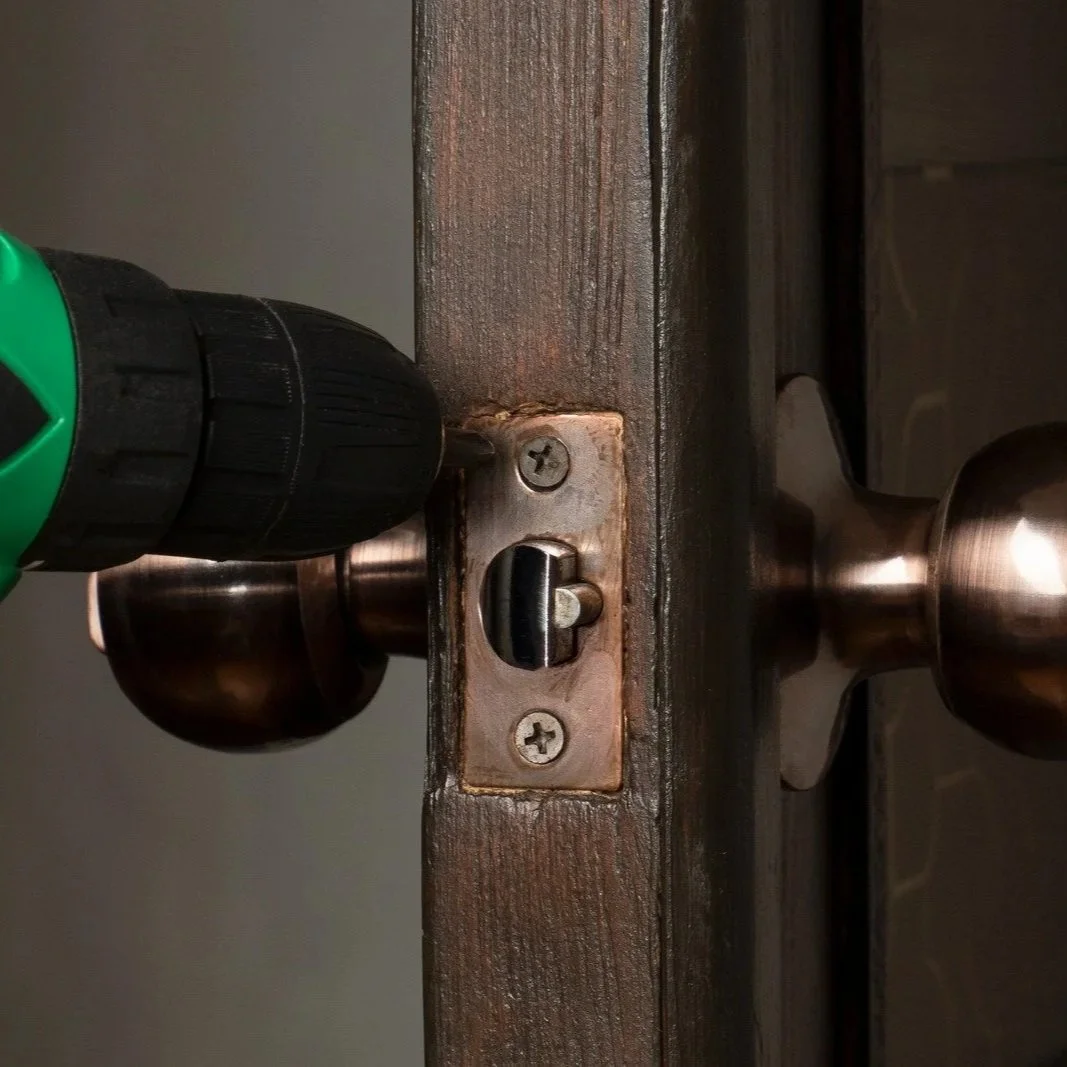
Quick Answer: Rekeying changes the internal pins of a lock so a new key works and the old key no longer does — the lock stays, only the key changes. Replacing swaps out the entire lock hardware for a new one. Rekey when the locks are in good shape and you just need to control who has a working key (after moving in, losing a key, a roommate moves out, or many locks need to match one key). Replace when locks are old, worn, damaged, or you want an upgrade or a different style or higher security. Rekeying is usually cheaper and faster; replacing gives new hardware.
When you want to change who can get into your home, there are two ways to do it: rekey the locks you have or replace them entirely. People often assume they need all-new locks when a simple rekey would do — or try to rekey when the hardware really should be replaced. Knowing the difference and which situations call for each saves money and gets you the security you need. Here's how to tell which one is right for you.
The Core Difference
The distinction is simple once you see it. Rekeying changes the inner workings of a lock — specifically the pins inside the cylinder — so that a different key operates it and the old keys no longer work. The lock itself stays in place; only what key opens it changes. Replacing means removing the entire lock and installing brand-new hardware. So rekeying is about the key, and replacing is about the lock. That difference drives the whole decision: if the lock is fine and you only need to change the key situation, you rekey; if you need new hardware, you replace.
When to Rekey
Rekeying is the right choice when your locks are in good working condition, and the real goal is to control who has a working key. Common situations:
You just moved into a home and don't know who has copies of the old keys — rekeying ensures only your keys work, without the cost of all-new locks. You lost a key or had one stolen and want to make sure it can't be used. A roommate, tenant, ex, or anyone with a key has moved out, and you want to revoke their access. Or you have several locks with different keys and want them all to open with a single key, which rekeying can do. In all of these, the locks themselves are fine — you just need the keys to change. Rekeying is typically faster and less expensive than replacing, making it an efficient solution in these cases.
When to Replace
Replacing makes sense when the lock itself needs to change, not just the key. Situations that call for new hardware:
The locks are old, worn out, malfunctioning, or damaged and no longer working reliably. You want to upgrade to higher-security locks or a different type of lock. You want a new finish or style to match a door or update the look. Or you're moving to keyless or smart locks, which means new hardware entirely. In these cases, rekeying wouldn't solve the problem, because the issue is the lock's condition, security level, or type — so replacement is the answer.
| Situation | Rekey | Replace |
|---|---|---|
| New home, unknown keys out there | ✓ | |
| Lost or stolen key | ✓ | |
| Someone with a key moved out | ✓ | |
| Make many locks use one key | ✓ | |
| Locks old, worn, or damaged | ✓ | |
| Want higher security or smart locks | ✓ | |
| Want a new style or finish | ✓ |
How to Decide
Ask one question first: is there anything wrong with the lock itself, or do you just need to change who has a working key? If the locks are in good shape and the goal is key control — after a move, a lost key, or a departure — rekeying is usually the faster, cheaper, and sufficient choice. If the locks are old, failing, or you want an upgrade in security, type, or style, replacing is the way to go. Many homes use a mix: rekey the sound locks and replace the worn or outdated ones. A locksmith can assess your locks and tell you honestly which approach fits each door, so you're not paying for new hardware you don't need or rekeying a lock that should be retired.
Just moved into a home? Rekeying every exterior lock should be near the top of your list. You have no way of knowing how many copies of the old keys are floating around — previous owners, contractors, real estate agents — and rekeying makes all those copies useless for a fraction of the cost of new locks.
Frequently Asked Questions
Rekeying changes the internal pins of a lock's cylinder so that a new key works and the old keys no longer do — the lock stays in place, only the key changes. Replacing removes the entire lock and installs new hardware. So rekeying is about changing which key operates the lock, while replacing is about swapping the lock itself. Rekeying suits locks that are in good shape; replacing suits locks that are worn, damaged, or being upgraded.
Generally, yes. Rekeying is typically faster and less expensive than replacing because you keep the existing lock hardware and only change the internal pins so a new key works. Replacing means buying and installing all-new locks. That's why rekeying is the efficient choice when the locks are in good condition, and you simply need to control who has a working key — for example, after moving in or losing a key — rather than needing new hardware.
Rekey when the locks are working fine, and the goal is changing who has a key that works: after moving into a home with unknown keys out there, after losing a key or having one stolen, when someone with a key has moved out, or when you want several locks to open with a single key. In all these cases, the hardware is sound, and only the key situation needs to change, so rekeying solves it more cheaply and quickly than replacement.
Replace when the lock itself is the issue — when locks are old, worn, damaged, or malfunctioning, when you want to upgrade to higher-security or a different type of lock, when you want a new style or finish, or when you're switching to keyless or smart locks. In these situations, rekeying wouldn't help because the problem is the lock's condition, security, or type, not just the key. New hardware is what's needed, so replacement is the right call.
It's strongly recommended. When you move in, you have no way of knowing how many copies of the old keys exist or who has them — previous owners, contractors, agents, neighbors. Rekeying the exterior locks makes all those existing keys useless and ensures only your keys work, giving you control over access to your new home. It's typically cheaper than replacing all the locks, which makes it an efficient security step to take right after moving in.
Match the Fix to the Problem
Choosing between rekeying and replacing comes down to whether the lock is fine or needs to be changed. Rekey when the hardware is in good shape and you just need to control who has a working key — moving in, a lost key, a roommate leaving, or unifying locks to one key. Replace when the locks are old, worn, damaged, or you want an upgrade in security, type, or style. Rekeying is usually the cheaper, faster route; replacing gives you new hardware. Match the solution to the actual problem, and you get the security you need without overspending.
Need to change who can get into your home? — Get expert rekeying or lock replacement from background-checked local locksmiths. Lock Star Locksmith serves Pittsburgh, Bethel Park, Penn Hills. Call (412) 376-6706.
