
Are Smart Locks Actually Worth It for Your Front Door?
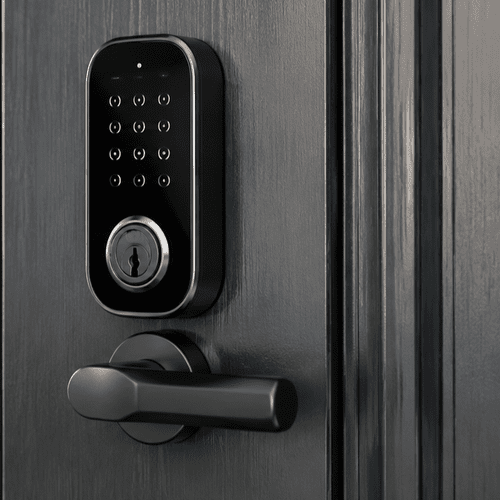
Quick Answer: A smart lock can be worth it if you value keyless convenience, remote control, and access management. The upsides: no physical key to lose, entry by code or phone, the ability to lock or open and check the door remotely, temporary codes for guests or service people, and activity logs. The trade-offs: they need power (batteries that must be maintained), depend on technology that can have connectivity or software issues, cost more than standard locks, and quality varies, so a well-made one and proper installation matter. For many homeowners the convenience is worth it; the key is choosing a quality lock installed correctly.
Smart locks promise a future without fumbling for keys — open with a code, your phone, or even your voice, and let in a guest from across town. But they also add batteries, apps, and a higher price tag to something that used to be simple. So are they actually worth putting on your front door? The honest answer is that it depends on what you value and on choosing a quality lock. Here's a clear look at the benefits and trade-offs to help you decide.
What a Smart Lock Actually Offers
A smart lock replaces or augments the traditional keyed deadbolt with electronic, keyless operation and connectivity. Instead of a physical key, you get in with a code on a keypad, your phone, a fob, or other methods, depending on the model, and many connect to your home network so you can control them remotely. That combination — keyless entry plus remote access and management — is the core of what a smart lock provides, and it's what makes it appealing or unnecessary depending on how you live.
The Benefits
No Keys to Lose or Copy
The most immediate benefit is doing away with the physical key. You can't lose a code or a phone the way you lose keys, and there are no spare keys floating around to worry about. For anyone who's been locked out or handed out too many copies, that alone is appealing.
Remote Access and Control
Many smart locks let you lock, open, and check the door's status from your phone, wherever you are. Forgot to lock up? Do it from work. Need to let someone in while you're out? Open it remotely. That remote control and the peace of mind of confirming the door is locked is a major draw.
Codes for Guests and Service People
Smart locks let you share temporary or unique codes — for family, guests, a dog walker, a cleaner, or a contractor — and revoke them later. You control who has access and when, without handing over a key, and some give you a log of who came and went and when.
The Trade-Offs
They Need Power and Technology
A smart lock runs on batteries, which have to be maintained and replaced so the lock doesn't lose power. It also relies on technology — an app, connectivity, software — that can occasionally have glitches, connection drops, or updates. That's more to manage than a simple mechanical lock, and it's the main practical downside.
Cost and Quality Vary
Smart locks cost more than standard locks, and quality varies widely between models. A cheap or poorly made smart lock can disappoint in reliability or security, so it's worth choosing a well-reviewed, quality lock. Proper installation matters too, since a lock that isn't installed correctly won't perform or protect as it should.
| Benefits | Trade-offs |
|---|---|
| No physical key to lose | Needs batteries and maintenance |
| Code or phone entry | Relies on tech that can glitch |
| Remote lock/open and status | Costs more than standard locks |
| Temporary codes for guests | Quality varies; choose carefully |
| Access logs (on many models) | Proper installation matters |
So, Is It Worth It?
For many homeowners, yes — if you value the convenience of keyless entry, the control of remote access, and the flexibility of giving out and revoking codes, a smart lock delivers real, daily benefits. If you'd rather not deal with batteries, apps, and a higher cost, a quality traditional lock still does the fundamental job well. The deciding factors are how much you'll use the smart features and whether you choose a quality lock that's installed correctly. A cheap lock installed poorly undercuts the whole value, while a good one set up right gives you the convenience without sacrificing security. A locksmith can recommend a quality smart lock suited to your door and install it properly, so you get the benefits the technology promises.
If you go with a smart lock, don't skimp on the lock itself or the install. The convenience features only matter if the lock is secure and reliable, so choose a well-reviewed quality model and have it installed correctly — a bargain lock that fails or installs poorly defeats the purpose of upgrading your front door.
Frequently Asked Questions
The biggest benefits are convenience and control: keyless entry by code or phone so there's no physical key to lose, the ability to lock, open, and check the door remotely from anywhere, and the option to give temporary or unique codes to guests and service people and remove them later. Many models also log who came and went. For people who value not carrying keys and managing access flexibly, these features make daily life easier and add peace of mind.
The main trade-offs are that smart locks need power and technology to work — batteries that must be maintained and replaced, plus an app and connectivity that can occasionally glitch — which is more to manage than a mechanical lock. They also cost more than standard locks, and quality varies between models, so a poorly made one can disappoint in reliability or security. Choosing a quality lock and having it installed correctly addresses most of these concerns.
A quality smart lock, properly installed, can be secure and offers features like access logs and the ability to revoke codes that traditional locks don't. The caveats are that quality varies widely, so a cheap or poorly made lock may not protect as well, and proper installation matters for any lock to perform. They also depend on power and technology. Choosing a well-reviewed, quality smart lock and installing it correctly is what makes it a secure choice for a front door.
Smart locks run on batteries rather than household power, so a power outage doesn't disable them as long as the batteries are good, which is why maintaining and replacing the batteries matters. Many also still allow entry by code or a backup method if connectivity drops, though specific behavior varies by model. Because they rely on batteries and sometimes connectivity, keeping the batteries fresh and choosing a model with reliable backup access is part of using one well.
It depends on how you live. If you value keyless convenience, remote access, and giving out and revoking codes, a smart lock delivers daily benefits many find well worth it. If you'd rather avoid batteries, apps, and the higher cost, a quality traditional lock still does the core job well. The keys to a worthwhile smart lock are using its features enough to matter and choosing a quality model installed correctly. A locksmith can help you pick and install the right one.
Worth It for the Right Homeowner
A smart lock is worth it if its conveniences match how you live — keyless entry, remote control, and managed access through codes are real, daily benefits for many households. The trade-offs are genuine, too: batteries and technology to maintain, higher cost, and variable quality, so the lock you choose and how it's installed make all the difference. For those who'll use the features and pick a quality lock set up correctly, a smart lock delivers on its promise. For those who'd rather keep it simple, a good traditional lock still serves well.
Considering a smart lock for your front door? — Get expert advice and proper installation of a quality lock from background-checked local locksmiths. Lock Star Locksmith serves Pittsburgh, Bethel Park, Penn Hills. Call (412) 376-6706.
